Fashion Tourism

See how place, production and community knowledge connect.

Fashion tourism combines a responsible facility visit with Sagalla Hill, local heritage, community learning and the wider Taita Taveta tourism circuit.

Labl Group

A hosted learning journey

Visits are scheduled, safeguarded and designed with community dignity at the centre.

ARRIVE

Orientation

Site context, safety, consent, photography rules and the story of rural value creation.

MAKE

Facility experience

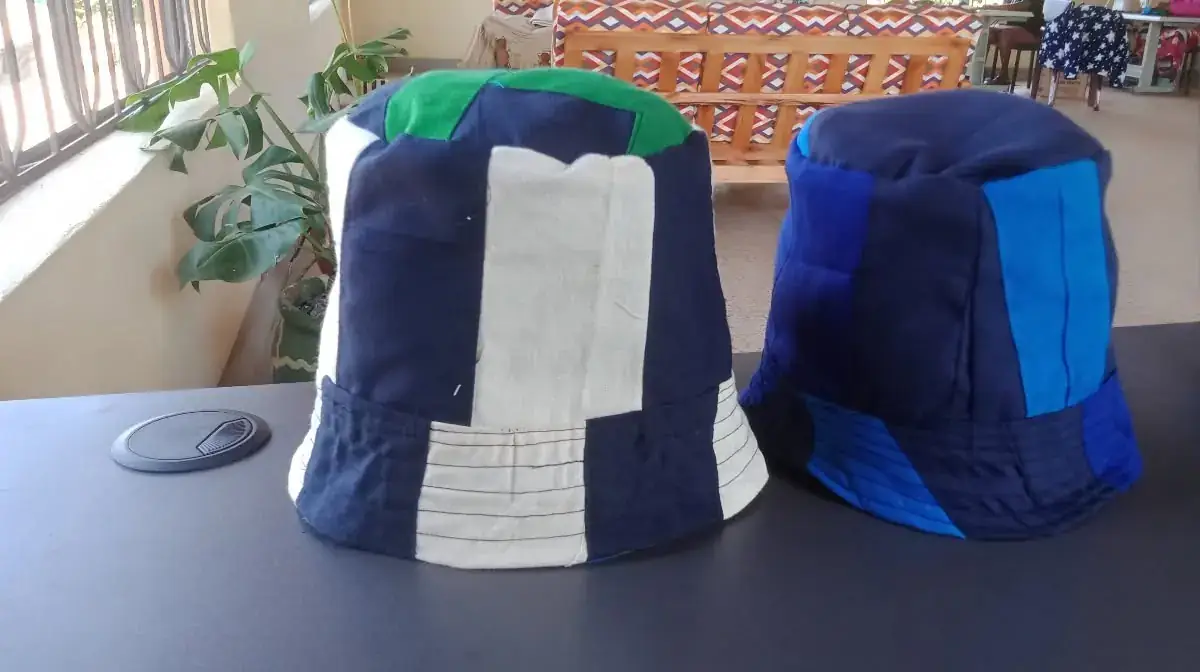
Responsible materials, garment development, skills, production control and circular design.

GROW

Farm learning

Demonstration plots, regenerative principles, water, local crops and farmer knowledge.

WALK

Sagalla Hill

Guided hiking subject to weather, route condition, fitness, local guidance and conservation rules.

CONNECT

Heritage and community

The old church and other locally approved heritage points, food, storytelling and everyday life—without staging or intrusion.

EXPLORE

Regional circuit

Combine the visit with Tsavo East, Tsavo West, Taita Hills Wildlife Sanctuary and community conservancies or ranches where access is formally arranged.

Labl Group

Benefits must stay local

Tourism is an economic and educational layer—not a spectacle.

01

Local guides

Trained hosts and guides interpret landscape, culture and operations.

02

Food and accommodation

The onsite house can host up to 10 people when operationally available; meals are planned with local participation.

03

Enterprise links

Transport, crafts, produce, performance and other services follow agreed quality and benefit-sharing rules.

04

Safeguards

Consent, child protection, photography rules, accessibility, wildlife safety and respectful visitor conduct.

A hosted learning journey

Tourism connects place, production and community respectfully

Visits are curated around safety, community consent, environmental care and realistic operational schedules. Experiences can be combined with the wider Taita Taveta tourism circuit.

01

Plan the visit

Agree group profile, interests, mobility, timing, safeguarding and what is appropriate to observe.

02

Experience responsible production

Learn how design, sampling, sewing, quality and circularity connect to rural livelihoods and global customer expectations.

03

Explore Sagalla

Subject to local guidance and conditions, combine the facility with Sagalla Hill hiking, the old church, landscapes and community knowledge.

04

Share value locally

Community-guided activities, meals, crafts and services are arranged transparently so participation and benefits remain respectful.

Fashion Tourism

A responsible journey through production, place and community

Visits connect the story of clothing with the people, landscapes, skills and decisions behind it. Every itinerary is pre-arranged and adapted to operations, weather, community consent and safety.

01

See the facility

Follow product development, production learning, quality and circularity at the Labl site.

02

Meet the landscape

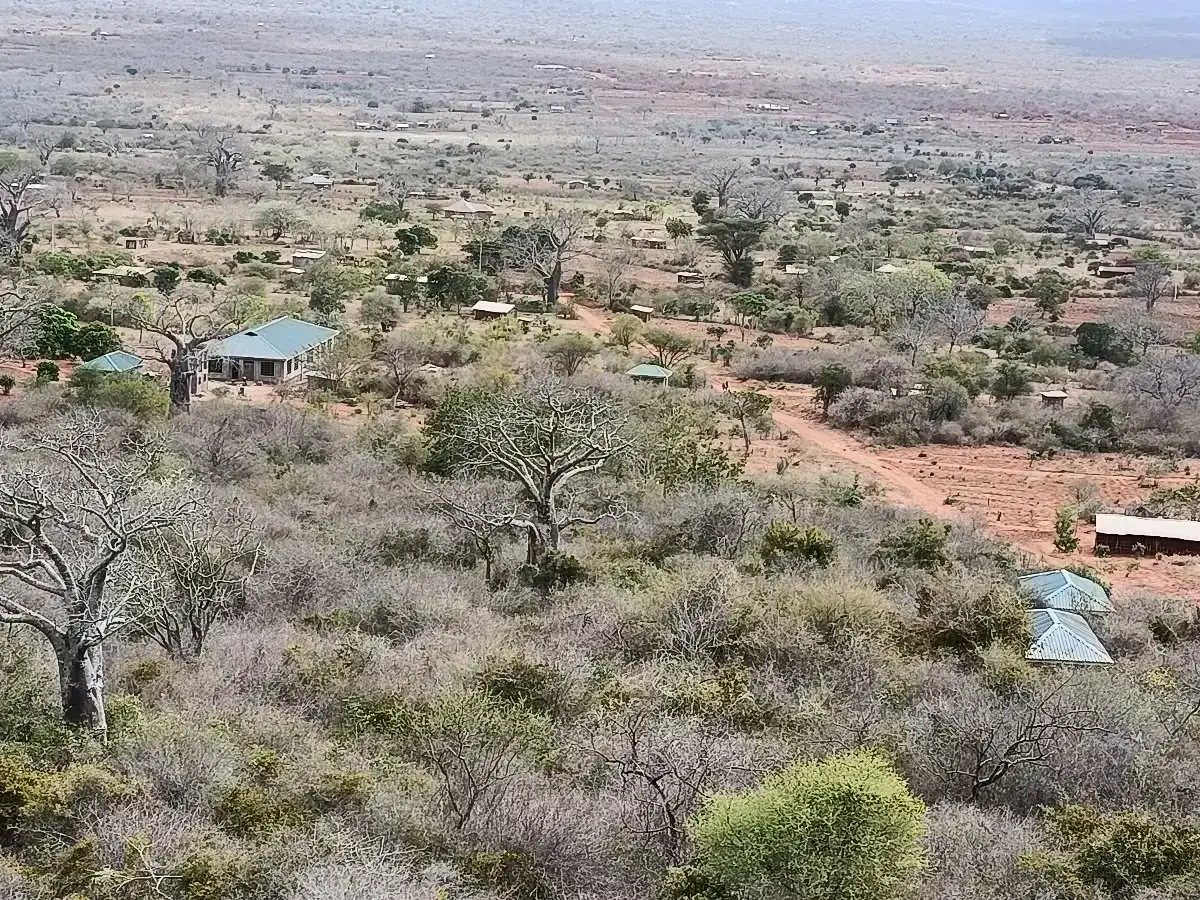
Explore the Sagalla setting and learn how water, farming, wildlife and livelihoods interact.

03

Learn with community

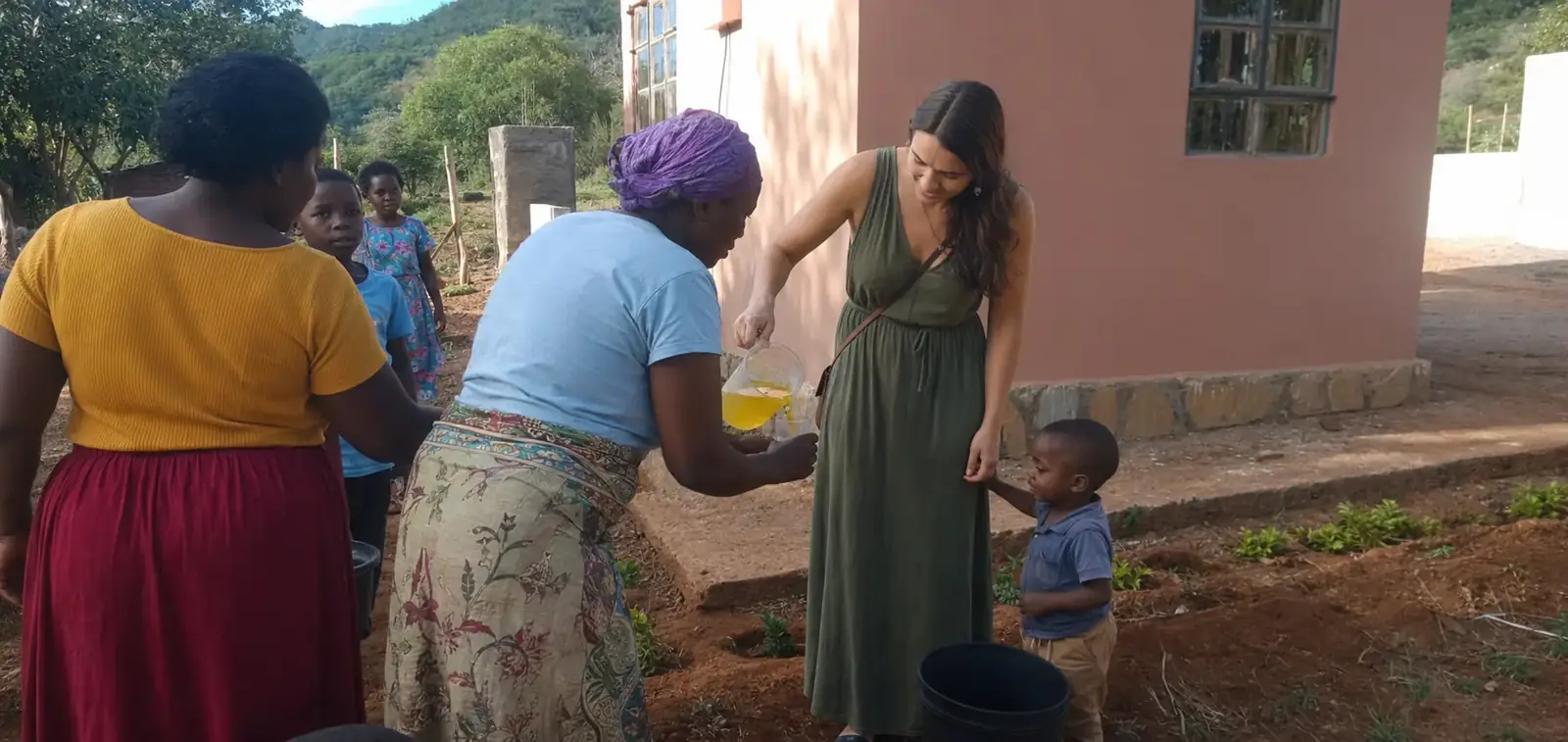
Join consent-based encounters focused on local knowledge, food, farms, craft and daily life without turning people into exhibits.

04

Extend the circuit

Combine the visit with guided Sagalla Hill hiking, heritage stops and the wider Taita Taveta tourism landscape.

Community benefit

Local guides, food providers, hosts, artisans and enterprises should participate in the value created.

Respect and privacy

Photography, storytelling and community access require consent; visits never override production or private life.

Safety and conservation

Routes depend on local guidance, conditions and wildlife-sensitive practice.

Learning in a living landscape

Fashion tourism connects production, farming, culture and coexistence

The experience helps visitors understand that responsible products emerge from real places where communities balance livelihoods, water, agriculture, wildlife, heritage and changing markets.

F

Field to garment

See how farmer organisation, material evidence, design, sampling, sewing, quality and circular return fit together.

P

People and place

Learn through consent-based encounters, local guides, meals, stories and enterprises—never by treating private life as a spectacle.

W

Wildlife coexistence

Explore how farms and communities experience wildlife movement, why evidence matters and how tourism can support respectful conservation learning.

R

Research visits

Universities and learning groups can arrange supervised field, factory and landscape programmes with agreed questions and safeguards.

H

Sagalla Hill

Guided hiking and heritage stops—including the old church where locally available—depend on route conditions, permissions, weather and guide assessment.

V

Value stays locally

Guiding, food, accommodation, transport, craft and cultural services can create transparent income pathways for community enterprises.

Visits are arranged in advance. Community consent, child safeguarding, photography permission, operational safety, wildlife sensitivity and fair local benefit come before the itinerary.